01
The abstraction step
Learning a word requires connecting a spoken sound to a stored image. Illustrations add a second connection: cartoon dog → real dog → the word 'dog.' Photos collapse that to one step.
02
Why familiarity matters
Repeated exposure to a specific image speeds recall. A child who sees their own dog five times a day and reads about that specific dog nightly makes the sound-image link faster than a child seeing a novel cartoon dog once.
03
How to use a photo book for language work
- ✓Read the same book, in the same order, at the same time each day.
- ✓Point at each photo, name it, and pause. The pause invites the child to try the word.
- ✓Use the child's exact word for things — 'ba-ba' beats 'bottle' at first.
- ✓Repeat, don't correct. 'Yes! Dog!' beats 'It's dog, not doggie.'
04
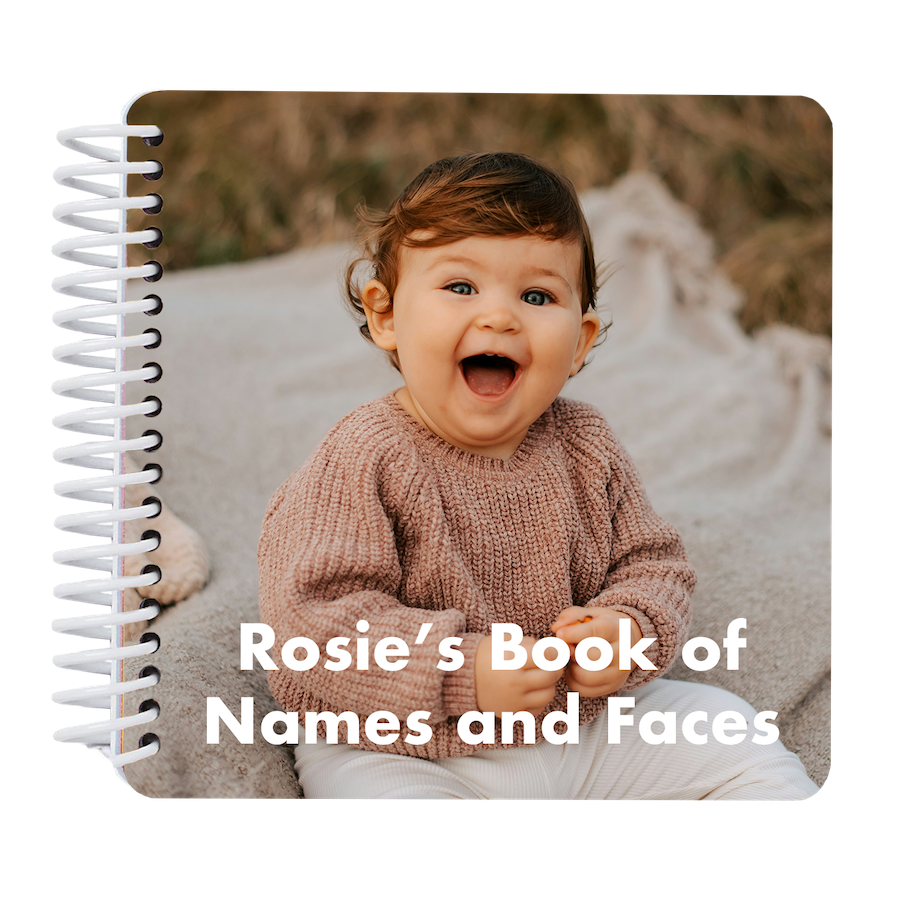
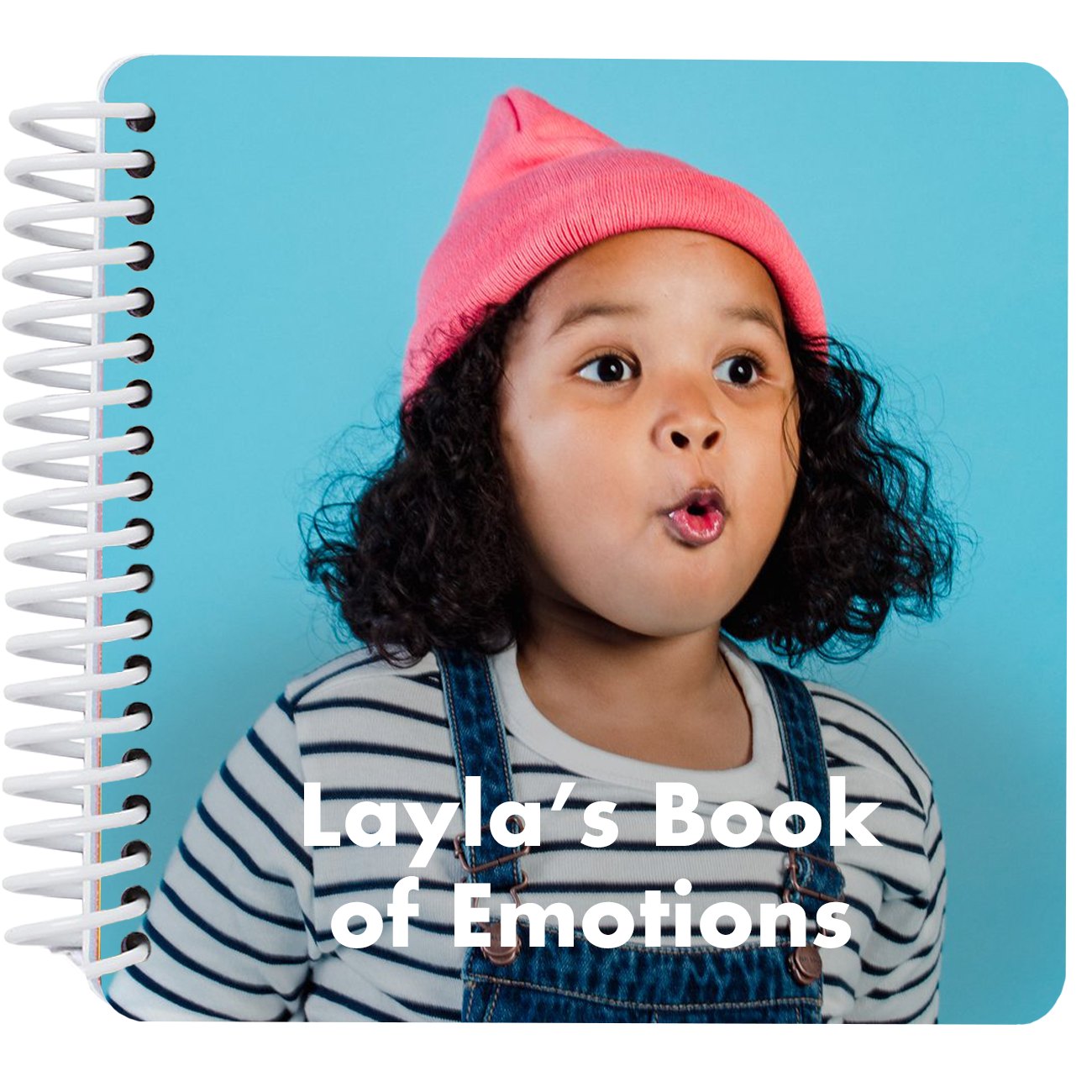
Books built for this workflow
05
What the research says
Studies on early vocabulary acquisition consistently find that shared reading — especially with familiar images — accelerates receptive and expressive language. The AAP-endorsed Reach Out and Read program has been distributing books during pediatric visits since 1989 based on this evidence.