01
The problem with a fixed page count
A fixed 20-page keepsake sounds generous until you sit down with 300 photos of a first year. Parents end up cutting grandparents, cutting the hospital day, cutting the messy first birthday cake — and the finished book quietly tells an edited version of the story. Fixed formats optimize for the printer, not the family.
02
How page growth works
Three simple moves, all handled inside the design flow.
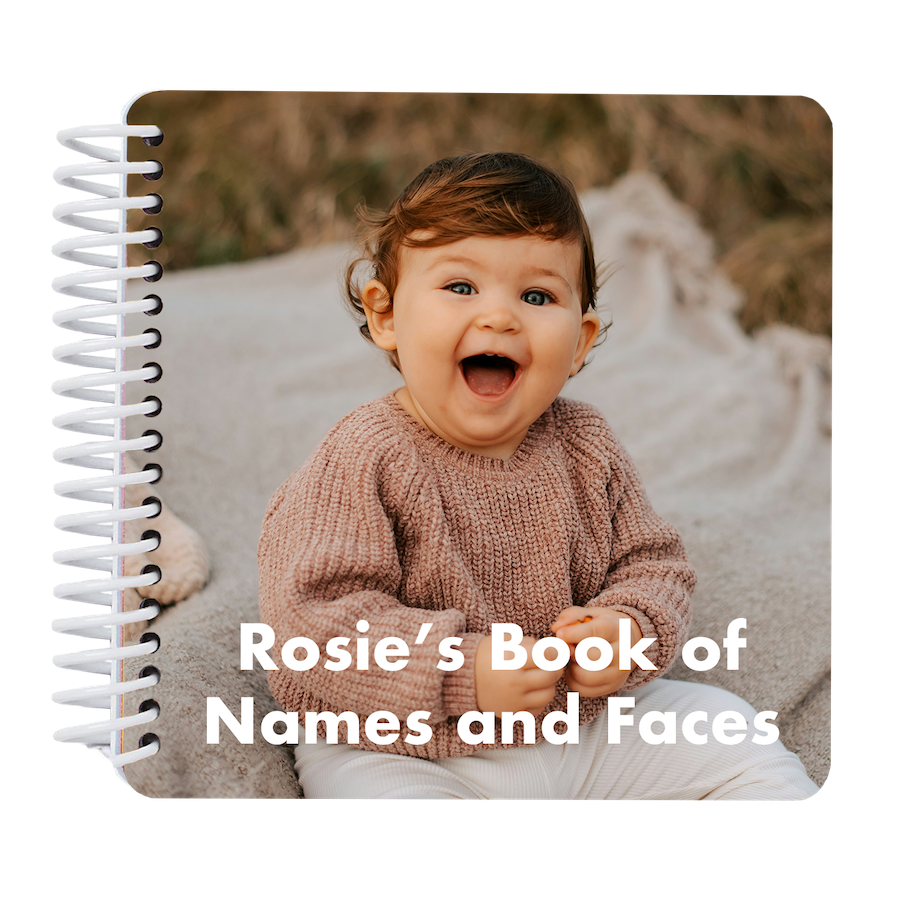
- 1Start at 20 pagesEvery book opens with a 20-page baseline — enough for a focused story like Names & Faces or a first-year recap.
- 2Add pages as you add memoriesDrop in more photos and the book expands in set increments. You are never asked to delete a spread to make room for a new one.
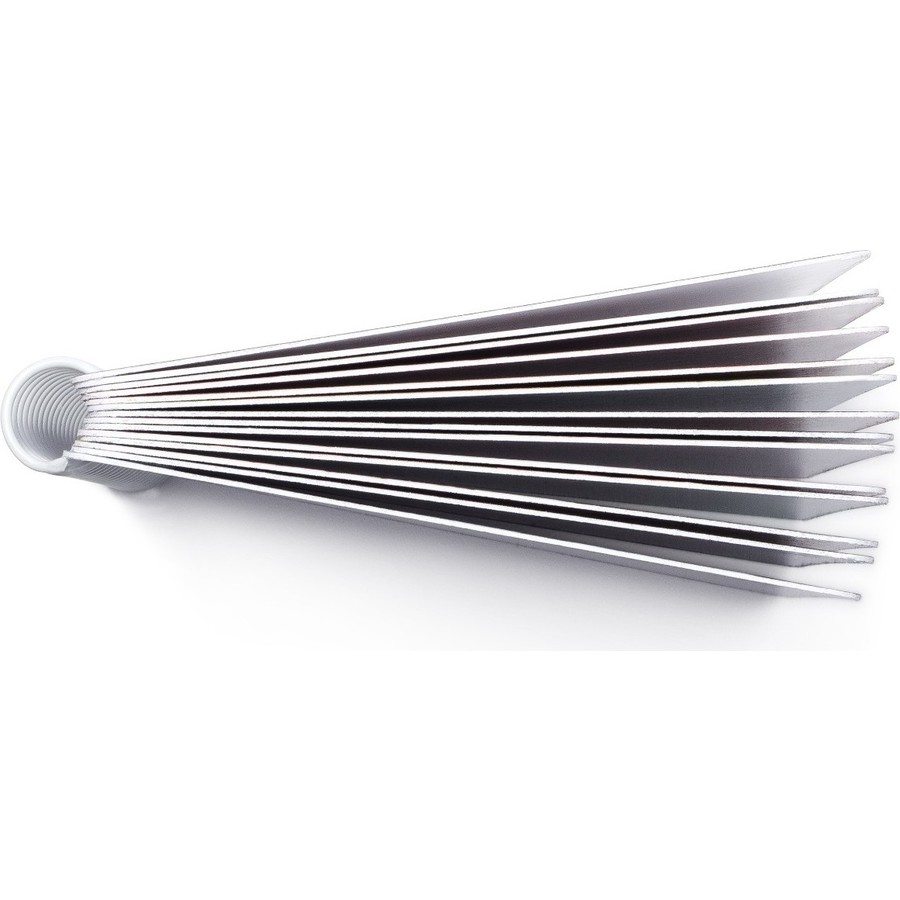
- 3Grow to 56 pagesBig stories — a full first year, a blended family, a deployment scrapbook — go all the way to 56 pages while staying bound, square, and wipeable.
03
What this changes in practice
- ✓Nobody gets cut: every grandparent, cousin, pet, and caregiver has a page.
- ✓One book instead of three: the whole first year lives in a single volume kids can carry.
- ✓Room for the ordinary: the daycare drop-off and the Tuesday bath make it in, not just the milestones.
- ✓Future-proof: the same title works for a 20-page shower gift and a 56-page year-one keepsake.
- ✓Still toddler-proof: thicker books, same rigid board pages, rounded corners, and non-toxic inks.
We stopped trying to pick the ten best photos and just told the whole year. The book is thick and she carries it everywhere.